Are caffeine pouches harmful? Objective safety review of energy pouches (caffeine pouches)
As the popularity of caffeine pouches continues to grow, consumers are naturally raising questions about their impact on health. There is a lot of conflicting information online, which leads to frequent search queries such as: ‘are caffeine pouches harmful?’, ‘are caffeine pouches healthy?’ and ‘do caffeine pouches damage the gums?’. This article aims to provide a factual, evidence-based clarification of these concerns. We will analyze the potential side effects of energy pouches, separate facts from myths, and compare the level of risk with other widely accepted forms of caffeine delivery.
Do caffeine pouches contain nicotine?
At the outset, it is important to clarify a fundamental concern: do caffeine snus contain nicotine? The answer is: no, caffeine snus (energy pouches) do NOT contain nicotine or tobacco.
This is a key distinction. The harm associated with nicotine pouches primarily comes from the presence of nicotine (and, in the case of traditional Swedish snus, from a range of toxic and carcinogenic compounds found in tobacco). Nicotine itself has an irritating effect on the gums, which can lead to damage. In addition, it has carcinogenic properties, negatively affects blood pressure, and is harmful to the cardiovascular system.
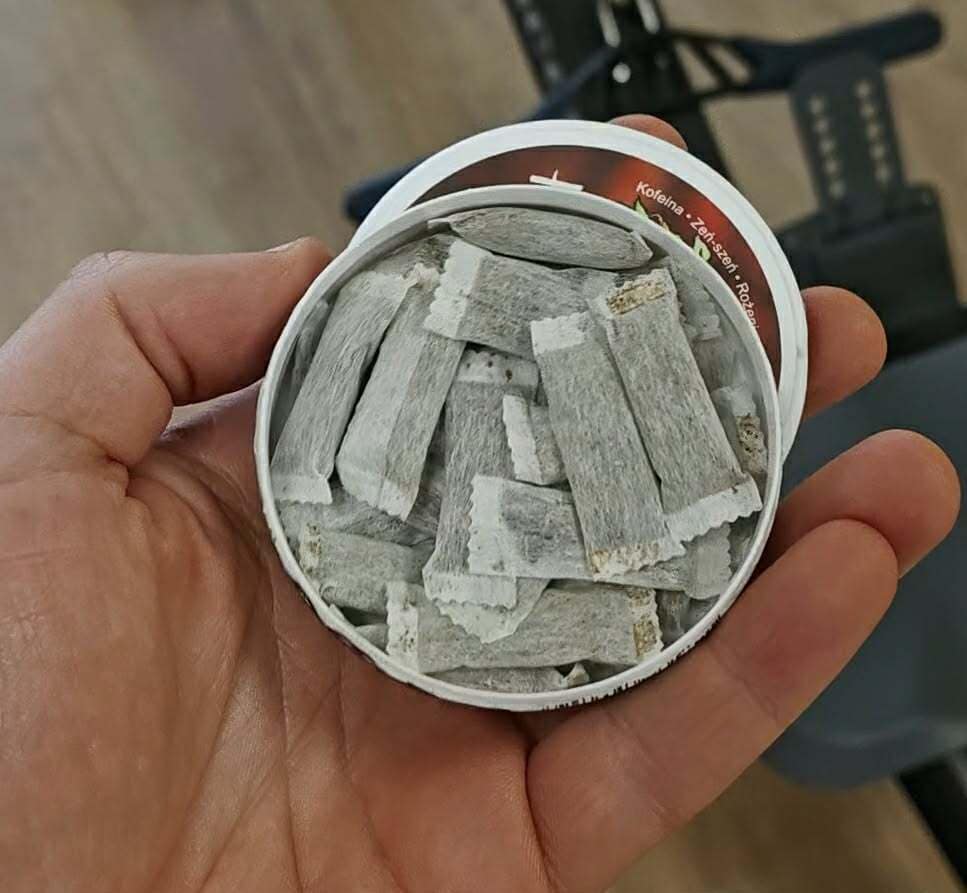
Caffeine pouches are a completely different category. It only uses a similar method of application – a portioned pouch placed under the lip – hence the association with classic snus. The substances contained in caffeine sachets are primarily caffeine, often enriched with adaptogens, herbal extracts, or other additional ingredients.
Are snus healthy? Are snus harmful? If we are talking about tobacco snus or nicotine pouches, we can be certain about this. These are products that are clearly harmful, and this is mainly due to the effects of nicotine. However, the situation is completely different in the case of energy pouches with caffeine, because they do not contain nicotine at all.
Do caffeine pouches damage the gums?
The key issue regarding the potential harm of pouches is their impact on dental health. As already established, nicotine snus irritates the gums—nicotine itself has an irritating effect, can cause erosions and aphthae, as it directly damages tissue and leads to gum recession, and further even to periodontitis and tooth loss.
In the case of caffeine pouches, the situation is completely different. First of all, caffeine itself is not a toxic substance. Caffeine does not cause irritation of the mucous membrane, is gentle on tissues, does not exhibit carcinogenic effects, and is completely safe in contact with the oral mucosa.
Other ingredients such as flavorings, sweeteners, or plant extracts also do not exhibit such effects (of course, unless there is individual hypersensitivity or an allergy to a given component, which should always be taken into account). The ingredients used in the production of pouches are food-grade, approved for contact with the body, and have confirmed safety profiles. Some ingredients, such as plant extracts or ground herbs, may even have a soothing effect on the oral mucosa. To reduce risk, it is recommended to choose proven, reputable energy pouch brands such as Bezzer, Bezsen, X-Booster, Cafero, HerbalMind, or R4VE Energy, where we can be confident that the raw materials used in production meet appropriate quality standards.
It cannot, however, be said that there is no risk of gum irritation, as it may also result from a mechanical factor. Although the pouch is made of cellulose, and its filling consists of plant fibers (cellulose), making it exceptionally gentle, overly frequent and excessive use may affect and damage the mucous membrane. This risk is, however, minimal when used as recommended—when the advised daily intake of pouches is not exceeded, there is no need for concern.
Is caffeine harmful?
Another issue worth considering is the potential harmfulness of caffeine itself as the main active ingredient. Therefore, the question of whether caffeine pouches are healthy largely comes down to the question of the safety of caffeine itself.
Na początek warto zaznaczyć, że kofeina jest jedną z najlepiej zbadanych substancji psychoaktywnych na świecie. Jest również najczęściej używana używką (około 80-90% dorosłych ludzi używa kofeiny codziennie w różnych formach). Przy umiarkowanym spożyciu (do 400 mg dziennie dla zdrowego dorosłego – zalecenia WHO) jest generalnie uznawana za bezpieczną
However, caffeine—at excessively high doses or in cases of hypersensitivity—can cause side effects. Energy pouches containing caffeine are no exception here. The most commonly observed side effects of excessive caffeine intake are:
- Excessive stimulation: anxiety, nervousness, increased heart rate, and difficulty falling asleep.
- Adverse effects on the digestive system: (in the case of caffeine pouches, this side effect is significantly minimized due to bypassing the digestive system).
- Headache: both in cases of excessive intake and as a withdrawal symptom after regular, abrupt discontinuation of use.
- Psychological dependence: possible with regular, frequent use as a way of coping with fatigue.
The key advantage of caffeine snus is dose control—each pouch contains a precisely measured amount of caffeine (typically from 30 to 100 mg), which makes it easier to consciously manage daily intake compared to drinking coffee “by eye.”
The issue of minors, people with diabetes, cardiovascular diseases, and pregnant women.
It must be clearly emphasized that there are groups for whom caffeine-containing products are explicitly contraindicated or require medical consultation before use. This is usually clearly indicated on the packaging.
- Minors: Caffeine is not intended for children and adolescents. The developing nervous system may be particularly sensitive to stimulation, and regular caffeine intake may disrupt natural sleep patterns and concentration.
- Pregnant and breastfeeding women: Caffeine crosses the placenta and is also present in breast milk. Due to its potential impact on fetal and infant development, it is recommended to avoid or strictly limit caffeine intake in all forms, including pouches.
- People with cardiovascular diseases (hypertension, arrhythmias) and diabetes: Caffeine may cause a temporary increase in blood pressure and heart rate. Individuals with uncontrolled hypertension, arrhythmias, or impaired glucose regulation should exercise particular caution and must consult a doctor before using any products containing caffeine.
- Individuals sensitive to caffeine or with anxiety disorders: This form of caffeine delivery may trigger a strong reaction, including anxiety, increased heart rate, and irritability.
Why can HerbalMind and HerbalHeart pouches with kanna be a healthier choice?
- HerbalMind – No artificial additives – only natural ingredients.
In the context of the question of whether energy pouches are harmful, the origin of the raw materials is also crucial—are they natural, or are they ingredients synthetically produced in a factory? People have different views on this topic; however, there are voices among specialists who approach artificial chemical food additives such as flavorings or sweeteners with caution, and some even consider them harmful. We trust that what nature has created is perfect, and therefore what most distinguishes HerbalMind pouches and HerbalHeart energy pouches with Sceletium tortuosum is their completely natural and transparent composition.
- HerbalMind – Caffeine with added adaptogenic plants with confirmed effects
The second important advantage is the strategic enrichment of the formula with adaptogens. While standard caffeine pouches provide only stimulation, the addition of ingredients such as ginseng or rhodiola rosea introduces an adaptogenic effect. This means the product not only stimulates but also supports the body’s natural stress-response mechanisms, enhances vitality on different levels, and provides a more balanced and comprehensive effect. In practice, this may reduce the perception of negative effects such as nervousness or irritability, which are common side effects of caffeine alone.
By choosing HerbalMind, the consumer opts for a product that prioritizes purity of composition and a holistic approach to energy. Check out the pouches in 4 delicious flavors: “Paradise Garden,” “Wild Strawberry Glade,” “Citrus Grove,” and “Forest Mint” in the official HerbalMind caffeine pouches store.

Summary: The importance of moderation and quality
Answering the main question of the title: Are caffeine pouches harmful? They are not harmful if used responsibly and in moderation by healthy adults. The key is to treat them as a supplement rather than a daily, routine means of masking chronic fatigue. Are caffeine pouches healthy? They cannot be classified as having health-promoting properties, but they do represent a less invasive alternative for the digestive system compared to coffee or energy drinks, offering a fast and discreet form of stimulation. They also typically do not contain sugar—making them, in this regard, a better alternative to energy drinks.
To minimize the potential side effects of energy pouches, it is sufficient to follow the recommended dosage, observe your body’s response, and maintain proper oral hygiene, as well as choose high-quality products from trusted brands such as HerbalMind.
Recommended caffeine pouches


 Fruit Pouches
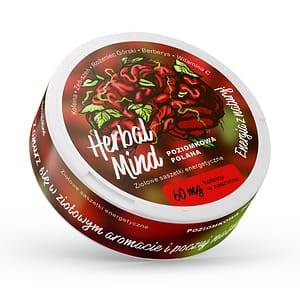
HerbalMind Wild Strawberry Glade – Nicotine-Free Caffeine Pouches with Adaptogens
21,00 zł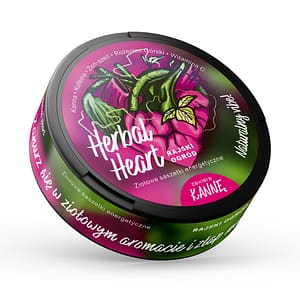 Fruit Pouches
NEW! HerbalHeart Paradise Garden – herbal pouches with Kanna (Sceletium tortuosum)
20,00 zł